
Can the UK’s Historic Generational Tobacco Ban Survive Enforcement and Political Hurdles?
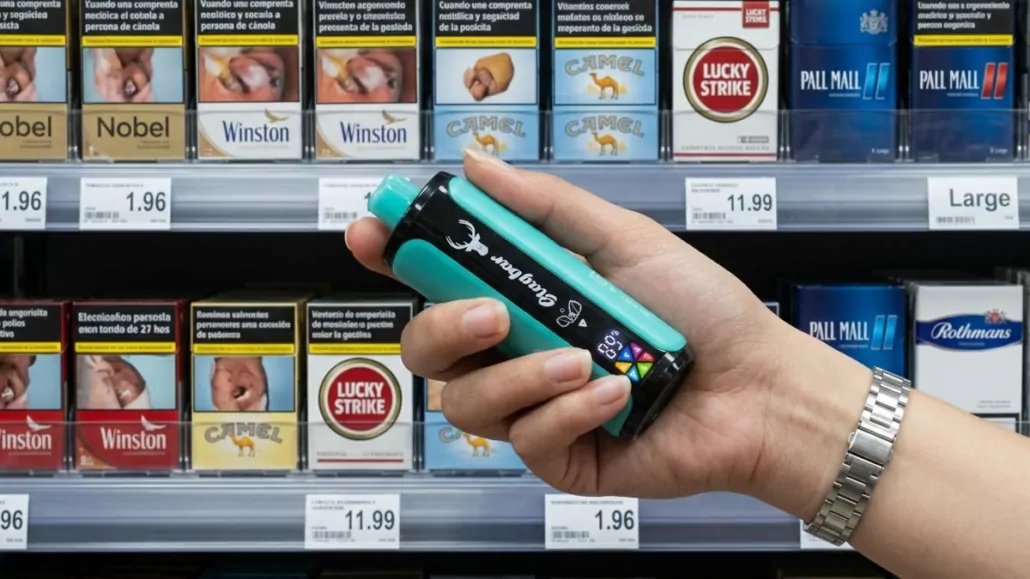
In April, the United Kingdom enacted one of the world’s most aggressive public health measures: a generational tobacco sales ban designed to phase out smoking permanently. Starting January 2027, the Tobacco and Vapes Act will make it illegal to sell cigarettes to anyone born in 2009 or later, legally preventing today’s 17-year-olds from ever purchasing tobacco. While hailed as a monumental victory by health advocates, the law’s long-term survival faces critical tests in retail enforcement, local government funding, and shifting political tides.
The Scale of the UK’s Smoking Challenge
Currently, adult smokers make up 10.4% of the population in England. While the smoking rate drops to just 3% among 11- to 15-year-olds, approximately 11% of children in this age bracket have tried cigarettes at least once. Overall, the UK is home to about 5.3 million smokers, with the vast majority picking up the habit before they turn 18.
A 2024 study estimated that every year, 127,500 Britons between the ages of 18 and 25 start smoking. The habit remains the nation’s leading cause of preventable death, claiming approximately 74,800 lives annually. Public health advocates argue that the generational ban is the only definitive way to break this cycle of addiction.
The Enforcement Dilemma: Who Checks the IDs?
While a few smaller jurisdictions have attempted similar measures, they offer limited blueprints for a nation of 69.3 million people. For example, the Maldives implemented a ban for anyone born in 2007 or later, but their law differs significantly from the UK’s approach.
| Feature | United Kingdom Ban | Maldives Ban |
|---|---|---|
| Scope of Ban | Bans the sale of tobacco; smoking itself is not criminalized. | Prohibits buying, using, or smoking tobacco entirely. |
| Vaping Regulation | Excludes nicotine vapes to help adult smokers transition off cigarettes. | Imposes a strict, countrywide ban on all vaping products. |
| Target Demographics | Anyone born in 2009 or later (effective January 2027). | Anyone born in 2007 or later (effective November 2025). |
Enforcing this law presents unique practical challenges. The UK does not issue national identification cards or require citizens to carry physical ID. Opponents of the ban argue this will place an unfair burden on retailers, who must distinguish between a 36-year-old (who can legally buy cigarettes) and a 35-year-old (who cannot).
Furthermore, teenage smokers routinely bypass current age restrictions. Although the minimum legal age to buy tobacco is 18, youth smokers report regularly purchasing cigarettes from local shops and supermarkets with minimal scrutiny.
Funding the Crackdown on Underage Sales
Responsibility for enforcing these age-of-sale restrictions falls on Trading Standards, a consumer protection unit funded by local governments. However, local budgets are severely strained. During the 2010s, Trading Standards budgets were slashed by 39%, leaving some London boroughs with only one or two qualified officers to oversee hundreds of thousands of residents.
To address this gap, the UK government has allocated £10 million ($13.2 million) to hire approximately 80 new enforcement officers in England. These officers will target illicit sales and crack down on retailers violating the age limits. However, under the UK’s devolved system, Scotland and Wales must decide independently whether to match this funding.
Enforcement officers will rely on intelligence from schools, the public, and honest retailers to target non-compliant shops. Trading Standards plans to use child volunteers for sting operations and will have the authority to issue immediate £200 ($264) on-the-spot fines to offending retailers.
Licensing and Future Vape Regulations
The success of the Tobacco and Vapes Act may ultimately depend on secondary legislation. Policymakers are currently designing a new licensing program for tobacco and vape retailers. Currently, shopkeepers only need to inform the government of their intent to sell these products; under the new system, selling without a license could result in fines of up to £2,500 ($3,300) or license revocation.
Additionally, the Act will introduce sweeping restrictions on the broader nicotine market after June 2027, including:
- A total ban on vape and nicotine advertising.
- New government powers to restrict vape flavors, packaging, and store displays.
- The designation of outdoor smoke-free zones around schools and playgrounds.
Will the Ban Survive the 2029 General Election?
The greatest threat to the generational ban may be political. In New Zealand, a pioneering generational ban passed in 2022 was abruptly repealed by a incoming center-right coalition government to fund tax cuts before it could take effect. A similar political shift could occur in the UK.
Nigel Farage, leader of the right-wing Reform UK party, has vowed to scrap the Tobacco and Vapes Act entirely if his party wins the next general election, which must be held by August 2029. Because the ban does not take effect until 2027, and secondary regulations will roll out through 2029, a change in government could easily derail the policy.
However, advocates point out that the UK ban has deep cross-party support and strong public backing. An ASH-funded public opinion survey revealed that 68% of English adults support the generational ban, including 50% of Reform UK voters. Because the policy is framed around saving the National Health Service (NHS) billions of pounds, it may prove more politically resilient than New Zealand’s repealed law.
A Prohibition Model for Europe?
Despite the domestic hurdles, the international community is watching the UK closely. Public health groups in France, Belgium, Finland, Canada, and Taiwan are already drafting similar generational bans. In France, 39 lawmakers have signed a bill proposing a tobacco sale ban for anyone born after 2014.
If the UK successfully implements its law, it could trigger a domino effect across Europe, where roughly 18% of 15-year-olds still smoke. However, experts warn that countries must first establish foundational tobacco control measures—such as indoor smoking bans and robust retail enforcement—before attempting a full generational phase-out.

- Indonesia: Denpasar Updates Smoke-Free Bylaw to Tighten Vape Rules - October 20, 2026
- Teen Girls Surpass Boys in Vaping Rates, Reversing Historic Trends - October 20, 2026
- Alabama: Irondale Proposes Public Vaping Ban with Fines Reaching $200 - October 20, 2026
Related posts:
 Massachusetts Cities Consider Generational Tobacco Bans
 New Zealand’s New Government to Repeal Generational Tobacco Ban
 Indiana Senator Introduces Generational Tobacco Ban Bill
 UK Generational Smoking Ban: Health Leaders Demand £700M Tobacco Levy
 Black Market Boom: Is Australian Tobacco & Vape Policy Backfiring?
 UK Cracks Down on Illegal Vapes & Tobacco in High Street Raids

